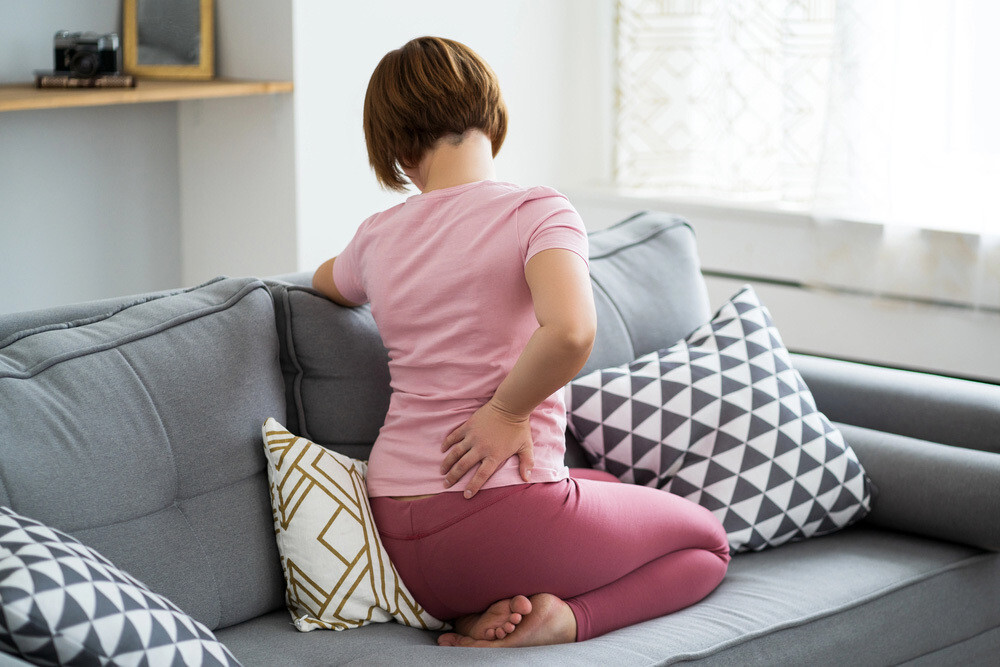
Low back pain is one of the most common reasons people seek chiropractic care. But here’s something that surprises many patients: the source of your pain may not actually be in your lower back at all.
In many cases, the real problem begins in the hips or ankles, silently altering how you move until your lower back is forced to compensate.
As chiropractors, we look at the body as an interconnected system. When one joint isn’t moving well, another joint often pays the price. Understanding this relationship is key to finding long-term relief, not just temporary pain reduction.
If you experience low back pain, this article offers insights into proper healing.
Injuries Related to Low Back Pain That Don’t Start in the Back
Your body is designed to move efficiently, distributing forces across multiple joints. When the hips or ankles lose mobility or stability, the low back often becomes the backup system, absorbing stress it was never meant to handle.
Common hip-related contributors to lower back pain include:
- Hip flexor strains, chronic pain, and tightness
- Labral irritation or hip impingement
- Glute muscle weakness or inhibition
- Reduced hip internal or external rotation
When hip motion is restricted, the lumbar spine compensates by twisting or bending excessively, increasing strain on discs, joints, and muscles.
Ankle-related issues that often cause low back pain include:
- Previous ankle sprains that never fully healed
- Limited ankle dorsiflexion (upward movement)
- Achilles tendon tightness
- Poor foot mechanics or collapsed arches
Restricted ankle motion affects walking, squatting, and running mechanics, sending abnormal forces upward into the knees, hips, and ultimately the lower back.
Symptoms You Shouldn’t Ignore
Low back pain rarely appears out of nowhere. Your body often gives warning signs; you just need to know what to look for.
Symptoms that may indicate your hips or ankles are involved in your lower back pain include:
- Back pain that worsens after walking, running, or standing
- Pain that improves with movement but returns quickly
- One-sided low back pain or stiffness
- Frequent hip tightness or clicking
- Limited squat depth or discomfort during lunges
- A history of ankle sprains with lingering stiffness
Ignoring these signals can allow small movement problems to become chronic pain patterns. Early evaluation is key to preventing long-term damage.
Chiropractic Solutions for Low Back Pain & Its True Causes
At our Rochester chiropractic clinic, we focus on treating both the pain and its underlying cause, using a combination of evidence-based chiropractic and rehabilitative therapies.
Chiropractic Adjustments
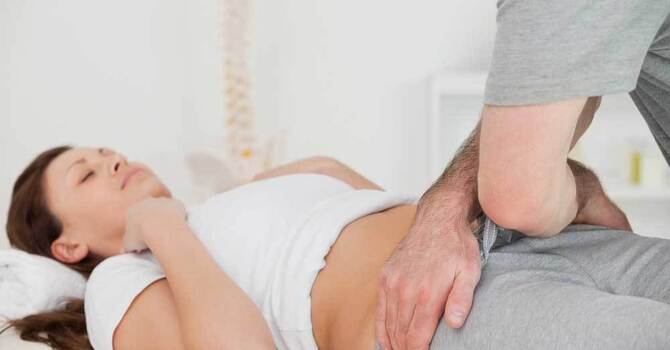
Chiropractic adjustments and spinal manipulations restore proper joint motion in the lumbar spine, hips, and ankles. Improved mobility reduces nerve irritation, decreases muscle tension, and allows the body to move more naturally.
Dry Needling
Dry needling targets tight muscles and trigger points that often develop due to compensation patterns. Releasing these areas improves blood flow, reduces pain, and helps muscles function correctly again.
Soft Tissue Treatments
Soft tissue treatments such as myofascial release, instrument-assisted soft tissue therapy, and manual muscle work address scar tissue and chronic tightness in the hips, glutes, calves, and lower back.
Functional Rehabilitation
Functional rehabilitation (corrective exercises) retrain movement patterns so your body stops relying on the low back for tasks better handled by the hips and ankles. This phase is critical for lasting results.
Shockwave Therapy
Shockwave therapy stimulates tissue healing and reduces chronic pain in stubborn areas like the hips, tendons, and lower back. It’s especially effective for long-standing conditions that haven’t responded well to other treatments.
Personalized Strength Training
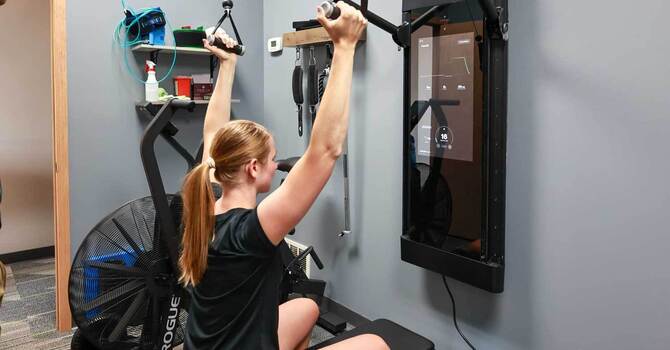
Rather than generic exercises, we create personalized strength training programs that target weak muscles, improve joint stability, and restore confidence in movement, all tailored to your body and goals.
At-Home Stretches & Safe Guidance for Treating Low Back Pain
While in-clinic care is essential, what you do at home matters just as much.
Helpful at-home stretches include:
- Hip flexor stretch: Helps reduce anterior pelvic tilt and lumbar strain
- Glute stretch (figure 4 stretch): Improves hip mobility and reduces back compensation
- Calf and ankle stretches: Restore ankle motion and improve walking mechanics
- Gentle spinal mobility drills: Encourage healthy movement without forcing pain
Safety tips for home care:
- Avoid pushing through sharp or worsening pain
- Focus on slow, controlled movements
- Use heat for muscle stiffness and ice for acute inflammation
- Stop any exercise that increases symptoms and consult your local low back pain chiropractor
Tips to Avoid Future Low Back Pain Issues
Preventing low back pain means addressing movement quality, not just posture.
Key prevention strategies include:
- Strengthening your glutes and core for better spinal support
- Maintaining ankle and hip mobility through regular stretching and exercise
- Taking movement breaks if you sit for long periods
- Warming up before exercise and cooling down afterward
- Addressing old injuries, even if they no longer hurt
Consistency is the difference between short-term relief and long-term resilience.
Visit Our Rochester Chiropractor for Safe & Proven Back Pain Solutions
If you’re struggling with low back pain and nothing seems to work, it may be time to look beyond the back itself. At our Rochester chiropractic clinic, we specialize in identifying the root cause of pain and delivering personalized, proven solutions that help you move and feel better, safely.
Don’t wait for the pain to become chronic.
Book with our Rochester chiropractor today. Your body was designed to move well; we’re here to help you get back to doing just that.

Nate Skare
Contact Me