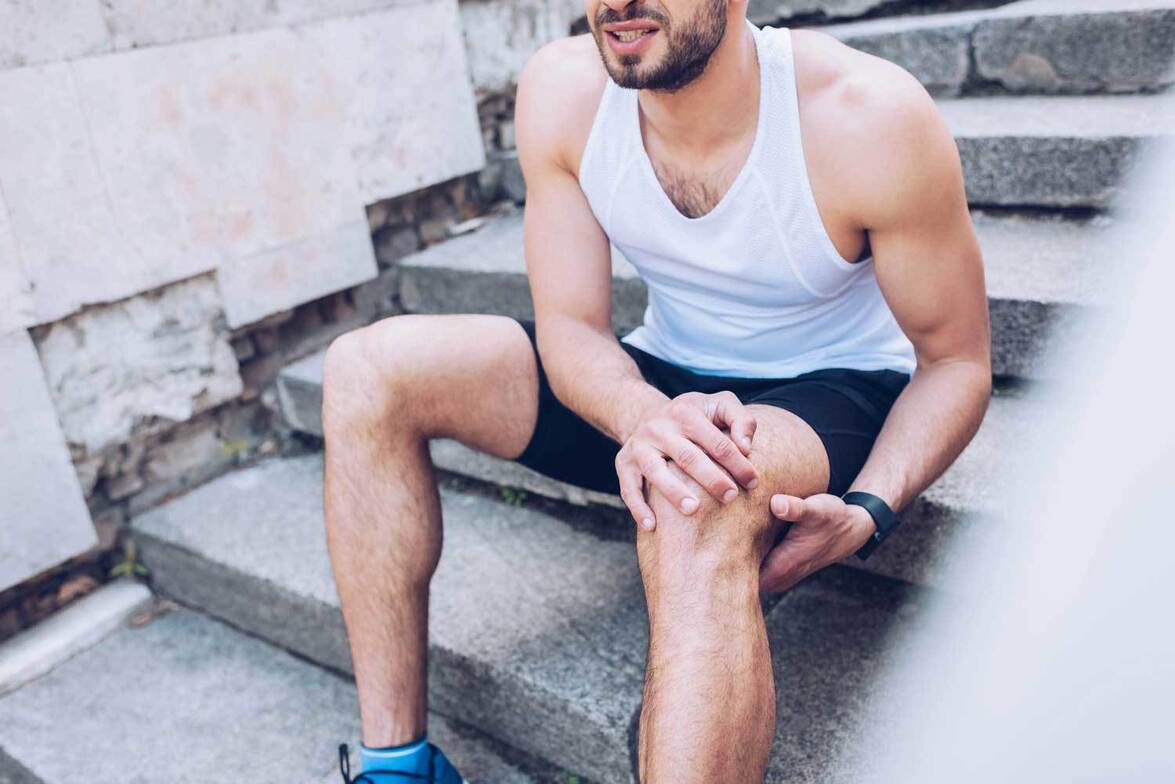
Knee pain can put a screeching halt to your active lifestyle, whether you're a seasoned athlete, a weekend warrior, or simply someone who enjoys daily walks.
At Skare Spine & Performance in Rochester, MN, we understand the frustration and limitations knee pain can cause. We're here to help you understand the common culprits behind knee pain and how our comprehensive approach can help you find lasting relief.
In this blog post, we answer some of the most frequently asked questions about knee pain.
Why Does My Knee Hurt?
The knee is a complex joint, susceptible to a variety of injuries and conditions. Here are some of the common causes of knee pain:
Overuse Injuries: Runners, athletes, and those with physically demanding jobs are prone to overuse injuries. Some common ones include:
- Patellofemoral Pain Syndrome (PFPS), or Runner's Knee: This condition often causes pain behind or around the kneecap, especially when going up or down stairs, squatting, or kneeling. It can stem from overuse, muscle imbalances, or poor tracking of the kneecap.
- Iliotibial (IT) Band Syndrome: The IT band, a thick band of tissue running along the outside of your thigh, can become tight and inflamed, leading to pain on the outer side of your knee. This is common in runners and cyclists.
- Tendinitis: Inflammation of the tendons around the knee, often caused by repetitive stress or overuse.
- Osgood-Schlatter Disease, or Jumper’s Knee: This condition affects adolescents and young adults, causing pain and swelling below the kneecap due to overuse and stress on the growth plate.
Traumatic Injuries: Accidents, falls, or sports-related impacts can cause:
- Ligament Sprains: The ACL, MCL, and PCL are ligaments that stabilize the knee joint. Sprains occur when these ligaments are stretched or torn.
- Meniscus Tears: The meniscus is a C-shaped cartilage that acts as a shock absorber in your knee. Tears can occur from twisting or pivoting movements and overuse.
Arthritis: Arthritis typically affects the inside (medial) part of the knee:
- Osteoarthritis: This "wear and tear" arthritis is common in older adults and can cause pain, stiffness, and swelling. This can be caused from previous injury, excessive use, or chronic inflammation.
Referred Pain: Pain in the knee can sometimes be referred from other areas, such as the hip or lower back. This occurs when nerves that supply these areas also innervate the knee.
Can Sciatica Cause Knee Pain?
While sciatica primarily affects the lower back and back of your leg, it can occasionally radiate pain to the knee. A recent study (EXPOSS) found that up to 25% of knee pain comes from the spine and sciatic nerve.
This happens when the sciatic nerve runs from your lower back down your leg and becomes compressed or irritated. If you're experiencing back and knee pain, seeking professional evaluation is important to determine the underlying cause.
Is it Possible To Get Knee Pain Without Injury?
You don't necessarily need an acute injury to experience knee pain.
Several factors can contribute to gradual onset discomfort, such as:
- Poor Biomechanics: The hip and foot control the knee. Stiffness in the foot or ankle joints, poor hip stability, or even altered bony structure can strain the knee. Poor biomechanics, like during a squat, can also cause strain over time.
- Muscle imbalances: Weakness or tightness in certain muscles can put extra stress on the knee joint.
- Overuse or repetitive strain: Even everyday activities like walking or climbing stairs can contribute to knee pain if done excessively or with improper form.
- Systemic Inflammation: Different factors, such as obesity and inflammation in the body, put additional strain on the knee joints, increasing the risk of pain and arthritis. The knee joint is one of the most common places where systemic inflammation can affect the body.
How Skare Spine & Performance Can Help: A Multi-Faceted Approach
At Skare Spine & Performance, we understand that knee pain is often a complex issue with multiple contributing factors. That's why we take a comprehensive, whole-body approach to treatment.
We begin with a thorough assessment to identify the root cause of your pain.
This may involve:
- Detailed History: We'll discuss your symptoms, medical history, and lifestyle factors that may be contributing to your knee pain.
- Physical Examination: We’ll assess the knee and the entire kinetic chain, which includes:
- Knee range of motion
- Hip, knee, and foot stability and strength
- Gait and movement patterns
- Low back exam to determine if that is causing the knee pain
- Biomechanic assessment pertaining your daily activities or sports
Based on our findings, we'll develop a personalized treatment plan to address the underlying cause of your pain and optimize your knee function.
This may include a combination of:
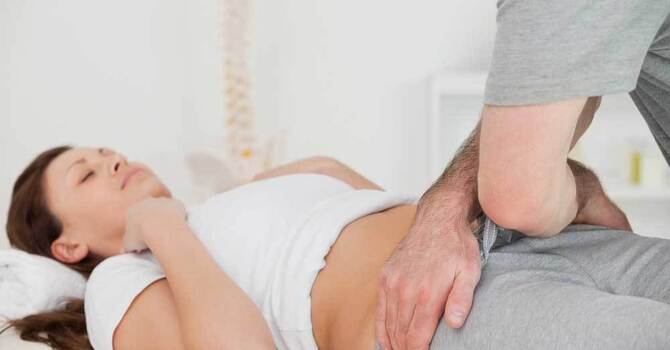
Chiropractic Adjustments:
Gentle, precise adjustments to the spine, pelvis, and knee help restore proper joint motion, reduce stress on irritated tissues, and improve overall movement efficiency, often leading to faster pain relief and improved mobility.
Soft Tissue Therapies:
Techniques such as myofascial release and instrument-assisted soft tissue mobilization help reduce tissue stiffness, improve circulation, and restore normal movement around the knee, hip, and surrounding structures.
Dry Needling:
Dry needling targets overactive or painful muscles that commonly contribute to knee pain, including the quadriceps, hamstrings, calves, and hip musculature. By reducing muscle tension and improving neuromuscular control, dry needling can help decrease pain, restore mobility, and allow you to move and strengthen more effectively during rehab.
Shockwave Therapy:
For stubborn or chronic knee pain, shockwave therapy uses high-energy acoustic waves to stimulate blood flow, promote tissue healing, and reduce pain. This is especially effective for tendon-related knee pain and conditions that have been slow to respond to rest or traditional care.
Rehabilitative & Strength Training:
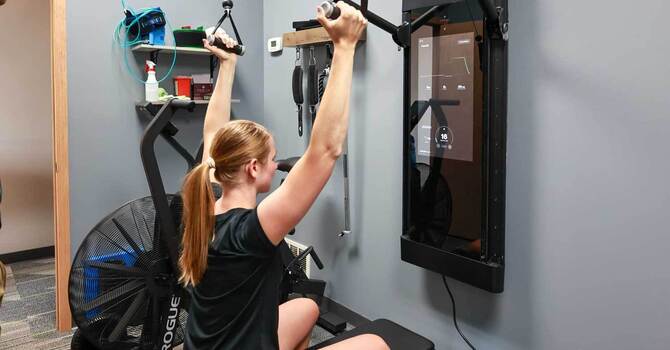
Targeted rehabilitation and clinician-guided strength training focus on building strength in the muscles that support your knee, including the quads, hamstrings, hips, and core. Using our Tonal smart strength system, we can safely load tissues, correct movement patterns, and progressively build strength, helping results last rather than just providing short-term relief.
Blood Flow Restriction Therapy (BFR):
Blood flow restriction therapy allows us to improve strength and muscle activation using lighter loads, making it ideal when knee pain limits traditional training. This approach helps decrease pain while accelerating recovery.
Custom Orthotics:
If foot mechanics or alignment issues are contributing to your knee pain, custom orthotics may be recommended to improve support, alignment, and load distribution throughout the lower body.
Lifestyle & Movement Modifications:
We provide guidance on activity levels, footwear, training habits, and recovery strategies to support healing and reduce the risk of future knee pain.
Your Path to a Pain-Free Life
Don't let knee pain keep you from enjoying your favorite activities. At Skare Spine & Performance, we're committed to helping you find lasting relief and regain your active lifestyle.
Schedule a consultation today and discover how our comprehensive approach can help you overcome knee pain and achieve optimal function.

Nate Skare
Contact Me