Chronic, nagging injuries are some of the most frustrating things to deal with. You've rested it, stretched it, tried injections, traditional therapy, or just hoped it would go away on its own. And it's still there.
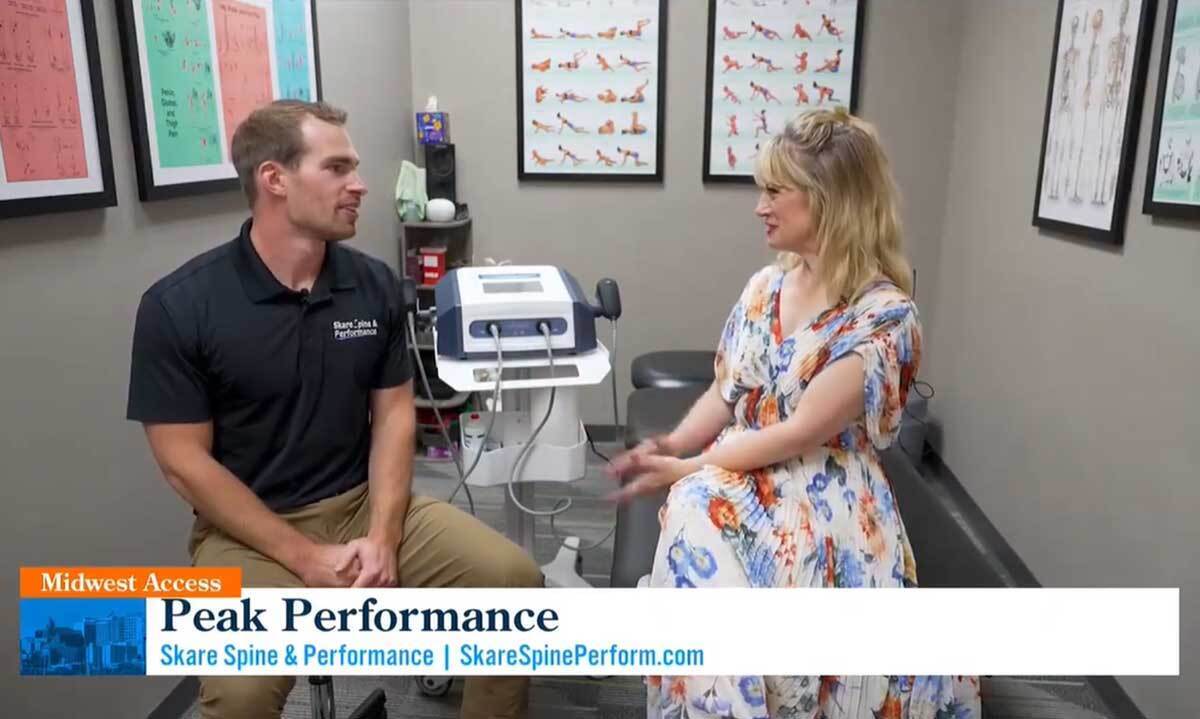
I had the chance to talk about one of our most effective tools for these exact cases on KTTC's Midwest Access: shockwave therapy.
Despite the name, shockwave therapy isn't scary and doesn’t shock you. It's one of the most powerful non-invasive treatments we offer for stubborn, long-standing pain that hasn't fully responded to anything else. If you've been dealing with an injury that just won't quit, this may be the piece you've been missing.
What is shockwave therapy?
Shockwave therapy, sometimes called extracorporeal shockwave therapy, uses high-energy sound waves to stimulate healing in damaged tissue. Think of it like an ultrasound, but significantly more powerful.
We deliver these sound waves directly to the area of concern. They help break up scar tissue and adhesions, address calcifications, stimulate blood flow, and trigger a healing response in tissue that's been stuck for months or years.
I usually describe it to patients as a controlled reset for chronic tissue. Almost like taking a tiny jackhammer to an area that hasn't healed properly.
Why chronic injuries are so hard to fix
Acute injuries, the kind that just happened, usually respond well to rest, movement correction, and basic rehab. Chronic injuries are completely different.
When pain has been hanging around for months or years, the tissue itself changes. It becomes poorly vascularized, meaning blood flow drops. It gets stiff and fibrotic. It builds up scar tissue. And it stops responding to the treatments that used to work.
That's why people end up saying things like "I have a bad shoulder," "my knee is just arthritic," or "my elbow has hurt since high school." The tissue is stuck in a low-grade dysfunctional state, and the body has stopped trying to fix it.
Shockwave therapy helps restart the healing process in those tissues.
How shockwave therapy works inside the body
A few important things happen when shockwave therapy is applied. First, blood flow increases. Within the first few treatments, we often see new blood vessel formation in the treated area, which is critical because most chronic injuries are starved of good circulation.
Second, the treatment stimulates stem cell activity. Research has shown shockwave therapy helps mobilize stem cells, which is a big part of why the body starts to repair damaged tissue more effectively.
Third, we see tissue regeneration. Depending on what we're treating, that can mean improved cartilage health, better tendon structure, or repair of damaged muscle fibers. This is why it works so well on lingering injuries that refuse to budge.
What conditions does shockwave therapy help?
Shockwave therapy works best for chronic and nagging injuries. The most common ones we treat at Skare Spine & Performance include tennis elbow, golfer's elbow, plantar fasciitis, Achilles tendinopathy, knee arthritis, shoulder tendinopathies, chronic heel and foot pain, and old muscle strains that never fully resolved.
What shockwave therapy is not used for
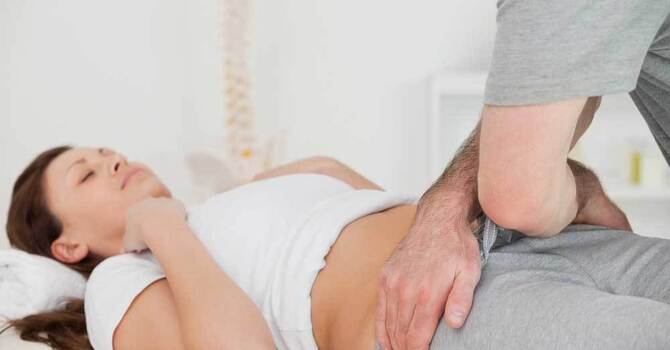
Shockwave isn't usually our first move on a fresh injury. If you tweaked your back yesterday or pulled a hamstring at last weekend's softball game, we're going to rely on other tools first: chiropractic adjustments, manual therapy, movement-based rehab, neuromuscular re-education, and dry needling. Acute tissue responds well to those.
Shockwave becomes the go-to when an injury has been hanging around for weeks, months, or years and isn't healing on its own.
A non-invasive option for arthritis and joint pain
One of the most exciting uses for shockwave therapy is for arthritis, especially knee arthritis. A lot of people think an arthritis diagnosis means they have to stop being active, avoid strength training, and just accept ongoing pain. That's not true.
Shockwave therapy lets us reduce pain in the joint, improve the quality of the surrounding tissue, and increase your tolerance to movement and strength training. For people who want to keep golfing, playing pickleball, lifting weights, or chasing grandkids around without surgery or injections, this is a game-changer.
No surgery. No downtime. No injections.
This is one of the biggest reasons patients gravitate toward shockwave. No surgery. No anesthesia. No injections. No recovery time. Most people walk out of the office and go back to their normal day. Treatments are quick, and we tailor the protocol to the specific tissue and condition.
It fits right into our philosophy at Skare Spine & Performance: conservative, evidence-based care that gets people moving better without putting them on the sideline.
Shockwave therapy is one tool in a bigger plan
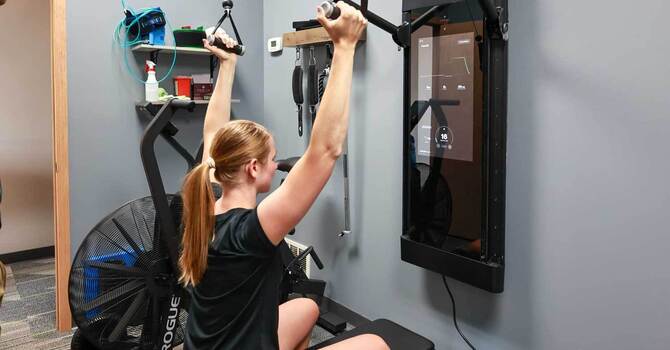
At Skare Spine & Performance, we combine shockwave with chiropractic adjustments, soft tissue work, dry needling, blood flow restriction therapy, Tonal-based strength programming, and progressive rehab. That's the difference between just treating pain and actually resolving it. The shockwave breaks the tissue out of its stuck state. The strength and movement work make sure it stays fixed.
That integrated, single-visit model is something you won't find at most chiropractic or PT clinics in Rochester, and it's why we get results on cases that have been bouncing between providers for years.
You don't have to stop doing what you love
One of the most important conversations I have with patients is that just because you have a diagnosis, or have had pain for a long time, doesn't mean you have to stop living your life.
Whether it's lifting, golfing, running the Med City Marathon, playing pickleball, or just being able to walk the dog without your foot screaming at you, there are almost always more options than people realize. Shockwave therapy is one of the most powerful options for opening that door back up.
How to get started with shockwave therapy in Rochester, MN
If you've been dealing with a chronic injury and you're wondering whether shockwave therapy is the right fit, the first step is a comprehensive evaluation. We'll figure out whether shockwave makes sense for your specific case, and we'll build a plan that actually moves the needle.
You can book online at skarespineperform.janeapp.com or give us a call at (507) 200-0449.
Frequently asked questions about shockwave therapy
Does shockwave therapy hurt?
Most patients describe it as intense but tolerable, kind of like a deep, rapid tapping on the area. We adjust the intensity based on what you can handle and what the tissue needs. Discomfort during treatment usually means we're hitting the right spot.
How many sessions of shockwave therapy do I need?
Most conditions respond in four to eight sessions, spaced about a week apart. Some chronic cases need more. We'll give you a realistic timeline at your evaluation rather than locking you into a generic package.
Is shockwave therapy covered by insurance?
Typically, shockwave therapy treatments are not covered by insurance, regardless of where you receive treatment. Many patients use HSA or FSA dollars for shockwave therapy.
Who shouldn't get shockwave therapy?
Shockwave isn't appropriate for everyone. We avoid it with patients on anticoagulants, people with pacemakers, those with pitting lymphedema in the treatment area, or anyone with a prosthetic joint directly under the treatment site. We screen for all of this at your first visit.
How is shockwave therapy different from ultrasound?
Ultrasound is gentle and primarily heats tissue. Shockwave delivers significantly more energy and creates a mechanical effect that actively triggers healing, breaks up scar tissue, and stimulates new blood vessel formation. Different tools, very different outcomes.
Can shockwave therapy help with plantar fasciitis?
Yes, plantar fasciitis is one of the most well-researched and effective uses of shockwave therapy. If you've been dealing with heel pain that's not responding to stretching, orthotics, or rest, shockwave is one of the best non-surgical options available.
Nate Skare
Contact Me