Low back pain is the most common musculoskeletal condition in the world.
Nearly 80% of people will deal with it at some point, it's a leading cause of disability globally, and it costs somewhere between $50 and $100 billion a year in medical expenses.
At Skare Spine & Performance in Rochester, MN, it's the number one reason people walk through our doors. And the frustration is almost always the same.
It's not that people can't get relief. It's that they can't get lasting relief.
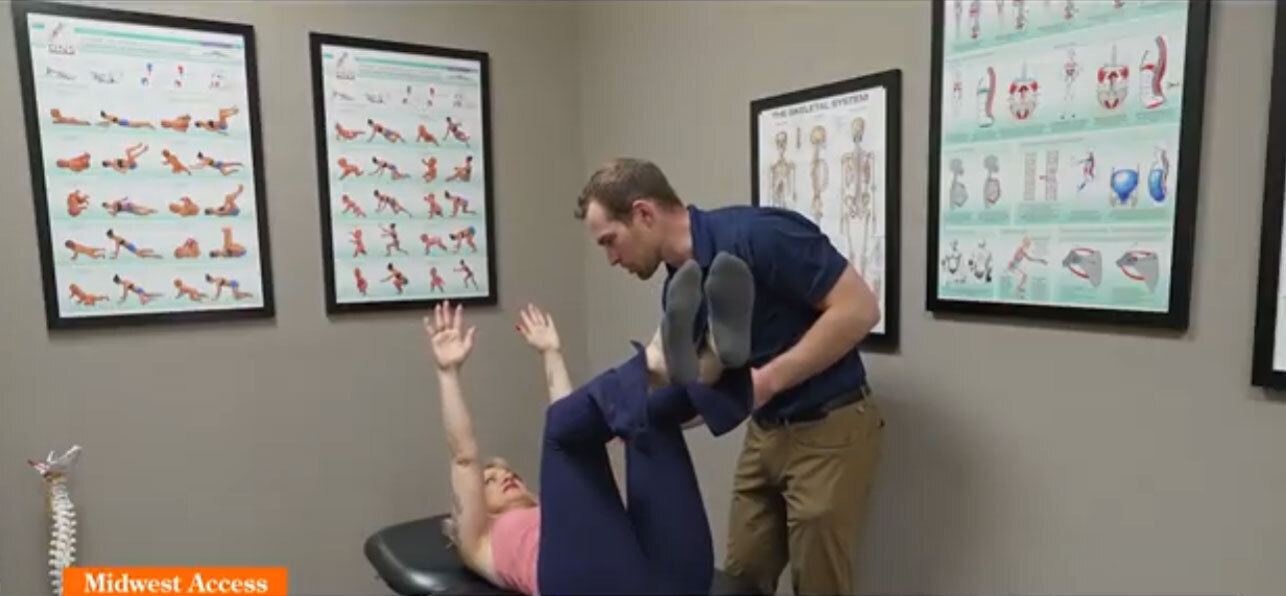
I recently had the chance to talk about this on Midwest Access, and the conversation reinforced something we see every single day in our clinic: most people are stuck in a cycle of flare-ups, rest, temporary fixes, and repeat.
Here's why that happens and what actually works.
Why Does the Low Back Hurt So Often?
Your low back sits at a crossroads. It's responsible for transferring force between your upper body, your hips, and your legs. When any of those areas aren't functioning properly — tight hips, poor core timing, weak glutes, limited mobility — the low back picks up the slack.
Over time, this leads to excessive stress on the spinal joints, muscle tightness and guarding, reduced stability, and pain that never fully goes away.
The low back isn't usually the problem. It's the area paying the price for problems somewhere else.
Why Most People Don't Get Lasting Relief from Low Back Pain
The biggest issue we see is treating the symptoms without ever addressing the cause.
Most people default to rest, pain medication, avoiding activity, or just waiting it out. And while those things can help in the short term, they rarely change what caused the pain in the first place. Low back pain is often cyclical, where it will get better, but leaves you waiting for the next flare-up.
Rest Alone Doesn't Fix Back Pain
If rest were the answer, most people would feel better within a few days. When pain lingers past that point, more rest usually makes things worse, not better.
Your body actually thrives on movement, load, and gradual challenge. Without those inputs, tissues get weaker, stiffer, and less resilient over time. Back pain is often mechanical, and once we restore proper mechanics, such as joint stiffness, it can function and feel the way it’s supposed to.
Pain Medication Treats the Signal, Not the Source
Pain meds can take the edge off, and sometimes that matters. But they don't improve stability, restore movement, build strength, or correct the patterns that created the problem. They quiet the alarm without putting out the fire.
How We Treat Low Back Pain at Skare Spine & Performance
Our approach has two phases, and both matter.
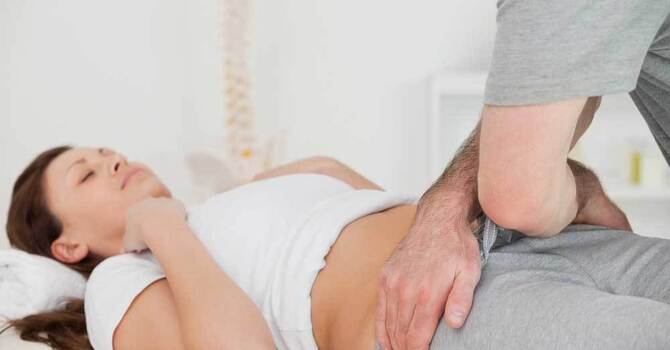
Phase one is pain relief. We want you feeling better. That might include chiropractic adjustments, dry needling, soft tissue work, shockwave therapy, or a combination — whatever gets you moving again.
Phase two is where real change happens. Once the pain improves, we dig into the bigger question: why did this happen in the first place?
We look at joint restrictions, repetitive movement patterns, prolonged sitting or standing habits, core stability, hip mobility, and strength deficits. Two people can walk in with the exact same pain and have completely different causes. That's why cookie-cutter treatment plans don't work.
The Role of Core Stability in Back Pain
One of the most common contributors to recurring low back pain is poor core stability. And this doesn't mean "weak abs" in the way most people think about it.
It usually means the core isn't activating at the right time, the spine isn't being properly supported during movement, and other muscles are compensating in ways they shouldn't be.
Teaching the body how to stabilize correctly — and then gradually building strength on top of that — is where long-term change happens. It's not about doing more crunches. It's about retraining how your body controls movement under load.
Why Movement Matters More Than You Think
If there's one thing nearly everyone with low back pain can benefit from, it's simply moving more.
We sit too much. We stay in one position too long. We move far less than our bodies were designed for. And the spine adapts to whatever we do most. If that's sitting eight hours a day, it adapts to sitting — and it stops tolerating much else.
Regular movement helps lubricate joints, improve circulation, reduce stiffness, and build your tolerance to physical load. Even small increases in daily movement — a walk at lunch, standing more often, simple mobility work — can make a meaningful difference.
Strength Training for a Healthier, More Resilient Back
Strength training doesn't mean you need to start powerlifting. It means applying appropriate stress to your body and progressing it gradually over time.
When done correctly, strength training supports the spine, improves your ability to handle load, reduces fear of movement, and helps prevent future flare-ups. The goal isn't exhaustion — it's durability and tissue tolerance.
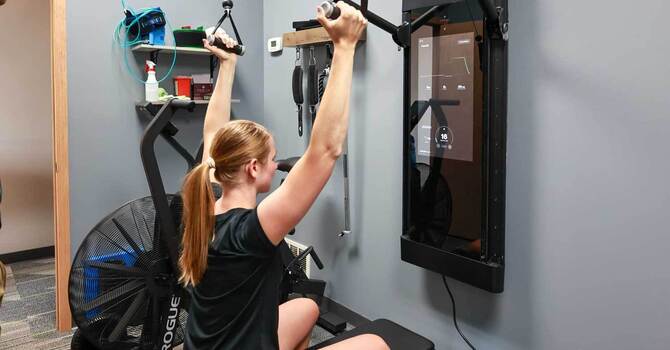
At our clinic, we use Tonal-based programming to build strength in a controlled, measurable way — even for people who are still working through pain.
Your Body Adapts — For Better or Worse
This is the part most people don't think about enough.
If you sit all day, your body adapts to sitting. If you avoid movement, your tolerance for movement decreases. But if you gradually load your tissues, your body gets stronger. Adaptation works both ways.
That's why starting a movement or strength routine feels hard at first but gets easier over time. You're not just building muscle. You're teaching your body that it can handle more.
Can a Chiropractor Help with Low Back Pain Long-Term?
Yes — but only if the care goes beyond adjustments alone.
Chiropractic adjustments are incredibly effective for restoring joint motion and reducing pain. But long-term relief comes from combining that with movement assessment, rehabilitation, stabilization work, strength training, and education about how to maintain what you've built.
That's the model we use at Skare Spine & Performance. We don't just get you out of pain. We help you build a back you can trust.
Five Years From Now, Your Back Can Be Stronger
One of our goals is to help patients not need us forever. That means understanding what caused the pain, building real strength and stability, and developing habits that support long-term spinal health.
Five years from now, your back can be stronger, more resilient, and less reactive than it is today. But only if the underlying issues are addressed — not just masked.
Get Help for Low Back Pain in Rochester, MN
If you're tired of temporary fixes and ready for a plan that actually addresses the cause of your back pain, the first step is a comprehensive evaluation.
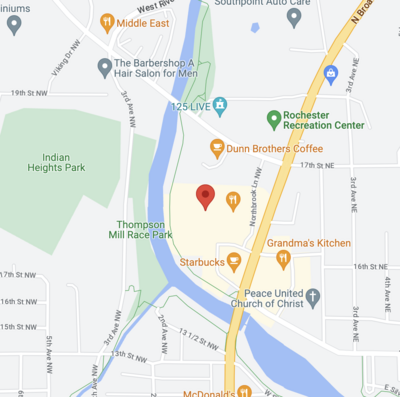
Skare Spine & Performance 1615 N Broadway Ave, Rochester, MN skarespineperform.com (507) 200-0449
We'll figure out what's driving your pain and build a strategy to help you move forward with confidence.
FAQ: Low Back Pain Relief
How long does it take to fix low back pain? It depends on the cause. Acute episodes often improve within a few weeks with the right care. Chronic or recurring pain usually requires a longer-term plan that includes rehab and strength training — not just symptom relief.
Should I rest or exercise with low back pain? In most cases, controlled movement is better than extended rest. Rest can help in the first 24–48 hours of an acute flare-up, but beyond that, your body needs movement, load, and gradual challenge to heal properly.
What causes low back pain to keep coming back? The most common reason is that the original cause was never addressed. Pain goes away, but the underlying issues — weak core stability, poor hip mobility, movement pattern problems, mechanical stiffness, strength deficits — are still there. Until those are fixed, flare-ups will keep happening.
Is chiropractic care enough to fix low back pain? Chiropractic adjustments are great for restoring joint motion and reducing pain. But for lasting results, you also need rehab, strengthening, and movement work to keep the problem from coming back.
What makes Skare Spine & Performance different? We combine chiropractic care, dry needling, shockwave therapy, and strength training — often in a single visit. We don't just treat the pain. We find and fix what caused it, then help you build a stronger, more resilient body.

Nate Skare
Contact Me